

Let’s be honest—learning today can feel like a maze. You’ve got tons of online courses, apps, videos, and platforms, and it’s hard to know what really works. Maybe you’ve tried learning something new online, but halfway through, you felt lost or unmotivated. That’s exactly why we need to talk about the future of online education. It’s not just about more courses or fancy tech; it’s about smarter, more accessible, and meaningful ways to learn that fit real lives. Understanding where online education is heading can help you make better choices, avoid overwhelm, and actually enjoy learning rather than treating it like a chore.
Why the Future of Online Education Matters

Here’s the deal: education is changing fast, and online learning is at the heart of it. It’s not just about convenience—it’s about opportunity. Flexibility is a huge advantage, letting you learn at your pace, on your schedule, and without commuting or leaving home. Access is another major factor; people from all walks of life can now access high-quality courses, whether they live in big cities or remote areas. The ability to keep learning throughout life is also game-changing. Online education allows you to gain new skills, update your knowledge, and explore new areas of interest without the constraints of traditional schooling. For beginners, these changes are exciting but can feel overwhelming. Knowing the benefits helps you see why it’s worth embracing online education.
Personalized Learning Experiences
One of the most exciting aspects of the future of online education is personalization. Forget one-size-fits-all lessons—modern platforms adapt to your unique learning style. AI-driven recommendations can guide you to courses and materials that are most relevant to your level and goals. Progress tracking helps you focus on areas where you need improvement, instead of wasting time on content you already understand. Interactive simulations, adaptive tests, and practical exercises make learning feel more like a conversation than a chore. For beginners, this approach removes the feeling of being lost and makes the learning process more engaging and rewarding. You no longer have to follow a rigid path; you can explore at your own pace, dive deeper into topics you love, and skip sections that don’t apply to your goals.
The Role of Technology
Technology is transforming online education in ways that were unimaginable just a few years ago. Virtual Reality and Augmented Reality are bringing lessons to life, letting students explore historical sites, conduct science experiments, or practice real-world skills without leaving their homes. Artificial Intelligence is acting as a personal tutor, answering questions, giving feedback, and suggesting new learning paths based on your progress. Mobile learning makes it possible to carry your classroom in your pocket, so you can study during commutes or breaks. While tech can seem intimidating at first, beginners can start small by exploring one tool or platform at a time, gradually building confidence as they go. Over time, these technologies make learning more engaging, interactive, and effective.
Online Learning vs Traditional Classrooms
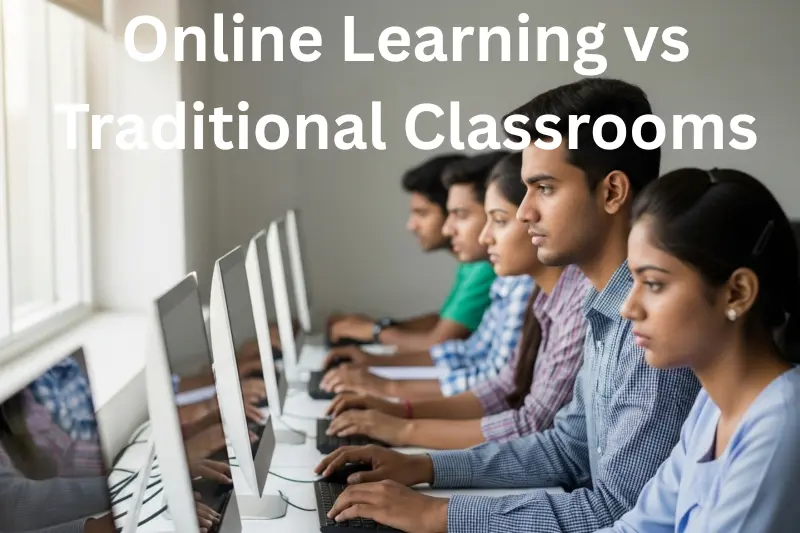
Many people wonder if online learning will fully replace traditional classrooms. The truth is, both will coexist, creating a hybrid education system. Online education offers unparalleled flexibility, while traditional classrooms provide valuable social interactions, collaboration, and networking opportunities. Blended learning models combine the best of both worlds, letting students choose what works best for their personal style. For beginners, the key is to experiment and find the right balance. Online courses can supplement traditional learning or provide a flexible alternative when schedules or life circumstances don’t allow in-person attendance. The goal is to focus on effective learning rather than worrying about replacing one method with another.
You may also like to read post
Boost Your Career Fast with Short Online Courses with Certificate
Empower Your Mind with Free Online Learning Platforms
Master New Skills Fast with the Best Online Courses for Beginners
Discover Growth and Success Through the Best Online Courses 2026
Career Growth and Online Education
The future of online education is not just about personal enrichment; it’s a powerful tool for career development. Employers increasingly value online certifications, microcredentials, and skill-based learning alongside traditional degrees. Many platforms now offer career coaching, project-based courses, and mentorship opportunities that help learners bridge the gap between theory and practical application. Learning online allows you to quickly acquire in-demand skills, adapt to industry changes, and position yourself for better job opportunities without spending years in a traditional program. Beginners entering the workforce or switching careers can benefit tremendously by strategically choosing online courses that enhance their resumes and provide real-world experience.
Overcoming Challenges
Let’s be real—online learning comes with its challenges, but the future is making it easier to overcome them. Motivation can be tricky, especially when you’re studying alone. Gamified learning, social features, and interactive exercises make studying more engaging and reduce the feeling of isolation. Distractions are another hurdle, but focus timers, structured schedules, and dedicated study spaces can help you stay on track. Concerns about quality are also common, but reputable online platforms now provide verified certifications, peer reviews, and expert guidance to ensure that learners get value for their time and investment. Beginners should start small, stay consistent, and gradually build confidence while navigating these obstacles.
How to Make the Most of Online Learning
Success in online learning doesn’t happen by accident; it requires intentional effort. Start by setting clear goals for what you want to achieve. Choose courses that match your skill level and learning style, and engage actively with the community through forums, study groups, or mentorship programs. Regularly review your progress and adjust your approach as needed. Remember, online education is a journey, not a race. By being patient, consistent, and proactive, beginners can build strong learning habits that will serve them well in the future.
Future Trends to Watch
The future of online education is evolving rapidly, and staying informed can help you make smart choices. Microlearning, which delivers short, focused lessons, is becoming increasingly popular, allowing learners to fit education into busy schedules. AI-driven analytics provide real-time feedback and adaptive learning paths that cater to individual strengths and weaknesses. Global classrooms enable students from different countries to collaborate, bringing diverse perspectives into online discussions. There is also a growing emphasis on skill-based education, where practical competencies are valued over traditional degrees. Keeping an eye on these trends helps beginners choose platforms, tools, and courses that align with their personal and professional goals.
Encouraging Conclusion
Here’s the deal: learning online is no longer just an alternative—it’s an essential part of the education landscape. The tools are becoming smarter, learning experiences are more personal, and opportunities are endless. Don’t let overwhelm hold you back. Start small, stay curious, and embrace the journey. Actionable checklist: Identify one online platform to explore this week, set a small, achievable learning goal for the next month, join a learning community or forum to stay motivated, experiment with tools like AI tutors or interactive modules, and reflect on your progress weekly to adjust your plan. With consistent effort, the future of online education is yours to shape, and you can make learning an exciting, empowering part of your life.
FAQs
What is the future of online education?
The future of online education is expected to be more personalized, accessible, and interactive, with advanced technology shaping learning experiences.
How will technology impact the future of online education?
Technology will enhance engagement through AI, VR, AR, and adaptive learning platforms, making education more immersive and tailored to each student.
Will online education replace traditional classrooms in the future?
While online education will grow significantly, traditional classrooms will coexist, creating a blended learning environment for maximum flexibility and effectiveness.
What skills will be most important in the future of online education?
Digital literacy, self-motivation, critical thinking, and adaptability will be key skills for thriving in online learning environments.
How can students prepare for the future of online education?
Students can embrace technology, explore online courses, develop time management skills, and stay updated on emerging digital learning tools.