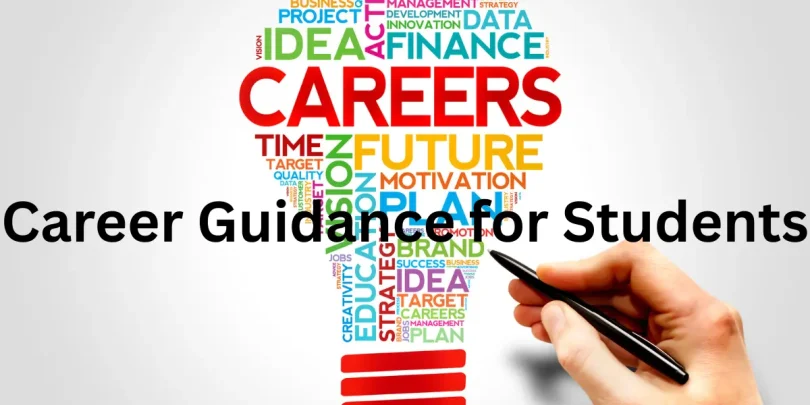

Let’s get real for a moment—growing up today feels like carrying the weight of a hundred expectations. Everyone keeps asking, “What do you want to be when you grow up?” or “Which field are you planning to choose?” and half the time, you’re just trying to figure out who you are, let alone what career fits you. And that’s completely okay because most students feel exactly the same way. Choosing a career isn’t as simple as picking a subject or following what everyone else is doing—it’s a journey of self-discovery, reflection, and smart decision-making. That’s where career guidance for students comes in. It’s not just about choosing a job; it’s about understanding yourself, exploring your interests, and building a future that feels right for you. So think of this as a friendly chat between two people who get it—one who’s been through the confusion, the doubts, and the “what if I make the wrong choice?” kind of panic. You’re not alone in this, and by the end of this guide, you’ll have more clarity, confidence, and direction to shape your own path.
Understanding What Career Guidance Really Means

Let’s break it down—career guidance isn’t some formal lecture or boring session where someone tells you what to do for the rest of your life. It’s more like a mirror that helps you see yourself clearly. It helps you identify your skills, your values, and your goals, and then shows you how to connect them with real-world opportunities. Think of it as your personal GPS for success. It doesn’t choose the destination for you, but it shows you multiple routes and helps you decide which one feels right. The essence of career guidance lies in three key elements: awareness, direction, and strategy. Awareness helps you understand what you’re good at and what truly excites you. Direction gives you a sense of where to go based on those strengths. And strategy teaches you how to get there step by step. Without these, you’re just wandering around, hoping something works out. But with them, you can move ahead with purpose and confidence.
Why Students Need Career Guidance Early
Real talk—most students start thinking about careers way too late, often right before college applications or major decisions. By that time, stress kicks in, and choices start feeling rushed. But starting early doesn’t mean locking yourself into one thing—it simply means exploring options, discovering what you enjoy, and learning how the world works. Early career guidance gives you an edge because it helps you make smart choices about your subjects, extracurriculars, and skills. When you know your strengths early on, you avoid wasting time and energy on paths that don’t fit you. For example, if you find out you love creative writing but hate math, it’s better to explore fields like communication, journalism, or media rather than forcing yourself into something like finance. The earlier you start, the more time you have to build relevant skills, gain experience, and make better decisions. Think of career guidance as an early investment—it pays off big when it’s time to take those major life steps.
The Real-Life Struggles Students Face
Let’s be honest—the struggle is real. Students today have more choices than ever before, but that also means more confusion. Every time you scroll through social media, you see people becoming YouTubers, app developers, designers, content creators, and entrepreneurs. Everyone seems to be doing something different, and it’s easy to feel lost in the crowd. On top of that, there’s pressure from parents, teachers, and society to choose something “safe” or “respectable.” Maybe your parents want you to be a doctor or engineer because they believe it guarantees security, while your heart is pulling you toward design, art, or writing. That inner tug-of-war can feel exhausting. Then there’s comparison—you see your classmates who already have a plan, and suddenly, you feel behind. But here’s the truth: career confusion doesn’t mean you’re lost. It means you’re exploring. Every successful person went through a phase of uncertainty before finding their calling. The key is to keep moving, keep learning, and not let fear or pressure make the decision for you.
Discovering Your Strengths and Interests
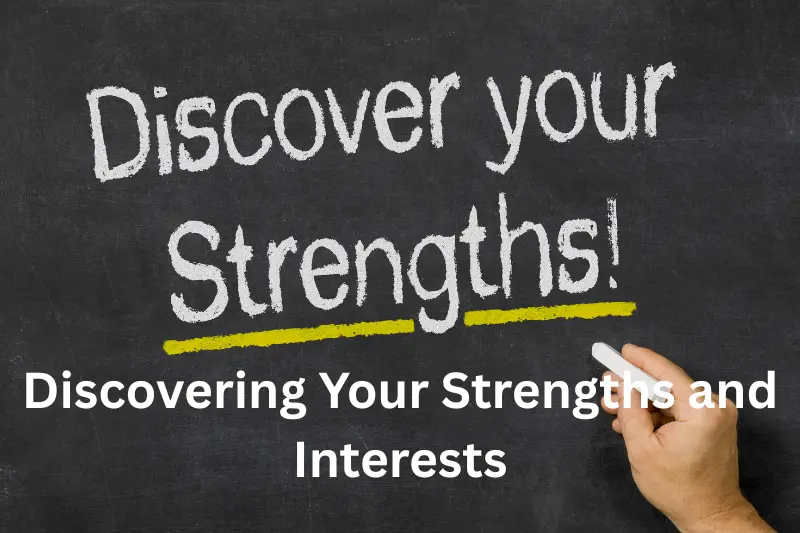
Here’s the deal—your career should match your personality, not just your qualifications. Too many students pick careers based on what others expect, and end up feeling trapped or unhappy. That’s why discovering your strengths and interests is step one. Ask yourself: what activities make you lose track of time? Which subjects excite you naturally? Do you enjoy working with people, solving problems, creating things, or leading groups? These small reflections can reveal a lot about where you’ll thrive. Try writing down things that make you feel accomplished—it could be anything from finishing a creative project to helping someone solve a problem. You can also use career assessment tests or personality quizzes to understand yourself better. The goal isn’t to box yourself in, but to find clues about your potential. Once you start seeing patterns, everything starts making more sense. Maybe you’re analytical and logical—that’s a sign of strength in research, engineering, or strategy-based roles. Maybe you’re imaginative and expressive—that points toward arts, design, or communication. Understanding yourself is the foundation of every great career journey.
You may also like to read post
Boost Your Career Fast with Short Online Courses with Certificate
Empower Your Mind with Free Online Learning Platforms
Master New Skills Fast with the Best Online Courses for Beginners
Discover Growth and Success Through the Best Online Courses 2026
How Career Guidance Helps You Make Smart Choices
Career guidance helps you turn confusion into clarity. It connects your personality, skills, and goals to real-world opportunities. Instead of just following trends or family opinions, you learn to base your choices on facts and self-awareness. A good counselor or mentor helps you see the big picture—they’ll ask questions that make you think deeply about what you really want, rather than pushing you toward a generic “successful” path. They also help you understand what each field demands, what skills you’ll need, and what kind of work-life balance it offers. This information helps you make realistic and confident decisions. Without guidance, many students end up studying something they don’t enjoy or switching careers later in life, which can be frustrating and time-consuming. Guidance gives you clarity and saves you from regret by helping you see what fits best for your personality, ambitions, and lifestyle goals.
Exploring Different Career Paths
We live in a world where career options are almost limitless. Gone are the days when success meant becoming a doctor, engineer, or lawyer. Today, you can build a fulfilling career in technology, design, content creation, social sciences, or even emerging fields like artificial intelligence and digital marketing. The key is to explore, not eliminate. For example, if you love science but also enjoy creativity, maybe biotechnology or medical illustration could be your niche. If you’re drawn to communication, marketing, or storytelling, careers in public relations, content writing, or media might be your space. Every career field has branches—you just need to find the one that feels right. Research different industries, talk to professionals, and understand the reality behind each job. What skills are in demand? What’s the work environment like? What challenges come with it? The more informed you are, the easier it becomes to align your choices with your goals.
Overcoming Career Confusion and Parental Pressure
This is something almost every student struggles with. You might want to pursue one thing, but your parents or teachers think something else is better for you. It’s hard because you don’t want to disappoint them, yet you also don’t want to give up your dreams. The best way to handle this is through open, honest communication. Don’t just say, “I don’t want to do this.” Instead, explain your reasons. Show them you’ve done your research, that you know what you’re getting into, and that you have a plan. Parents worry because they care—they want stability for you. When you demonstrate maturity and clarity, they’re more likely to trust your decisions. Sometimes involving a career counselor helps because they can provide a neutral perspective. And remember, your career is your journey. It’s okay to make choices that align with your happiness and interests. You don’t need to have everything figured out now. What matters is that you’re taking steps in a direction that feels authentic to you.
The Role of Career Counselors and Mentors
Career counselors and mentors are like guiding lights in the maze of career choices. They don’t make decisions for you—they help you understand your options, weigh the pros and cons, and move forward with confidence. A career counselor uses various tools such as personality tests, aptitude assessments, and one-on-one conversations to get a clear picture of your potential. They then help you match that with suitable careers and fields. Mentors, on the other hand, bring real-life experience. They’ve been where you are, faced similar struggles, and can give you advice that’s both practical and inspiring. You can find mentors in your school, college, or even online communities. Don’t be afraid to reach out—most professionals are happy to share their experiences and help younger people find their way. Building connections early can open doors to internships, job shadowing, or even long-term opportunities.
How to Create a Career Plan That Actually Works
Now that you’ve explored your interests, it’s time to build a solid plan. A career plan isn’t about having everything mapped out perfectly—it’s about setting direction and taking consistent steps forward. Start by setting short-term goals, like improving specific skills, exploring courses, or gaining some experience in your area of interest. Next, focus on skill-building. Learn tools and techniques that align with your field—whether that’s communication, coding, design, or leadership. Research different industries to understand what’s trending and what skills are in demand. Networking is another major key—connect with people in your desired field, attend events, and stay active on professional platforms. Lastly, stay flexible. Plans change, industries evolve, and your interests might shift, too. A good career plan isn’t rigid—it adapts with you as you grow.
Common Myths About Career Guidance
There are so many myths around career guidance that hold students back. One big myth is that career guidance is only for people who are confused. Not true. Even if you’re clear about what you want, guidance can help you strengthen your plan. Another myth is that once you pick a career, you can never change it. That’s false—many people change careers multiple times as they discover new passions. Some also believe that only “top students” get good career opportunities, but success is about effort, not grades. The idea that following your passion means earning less is also outdated. In today’s world, passion-driven careers like digital art, social media, and entrepreneurship can be just as profitable as traditional ones. Don’t let these myths limit you. Career guidance is for anyone who wants to make smart, informed, and confident choices.
The Power of Self-Belief and Growth
Here’s the truth—your mindset is your biggest asset. Even with the best guidance, you’ll face setbacks, rejections, or moments of doubt. That’s completely normal. What defines you is how you bounce back. Believe in your ability to grow, learn, and adapt. The world changes fast, and so do opportunities. What matters is that you keep developing yourself and stay open to new experiences. Remember, failure isn’t a sign to quit—it’s a sign that you’re trying. Every successful person you look up to faced challenges along the way. They just didn’t stop moving forward. Growth happens when you stay curious, consistent, and courageous enough to keep going even when things get tough.
Conclusion
At the end of the day, your career is more than just a job—it’s a reflection of your journey, your choices, and your growth. It’s okay to feel uncertain because that’s where every great story begins. Don’t rush into decisions just to please others or fit in. Take time to understand yourself, explore your interests, and seek the right kind of guidance. Trust that you’ll find your way. With patience, curiosity, and courage, you can create a career that doesn’t just earn you a living but gives you purpose. And remember, career guidance for students isn’t just about picking the right path—it’s about becoming the kind of person who walks that path with confidence and joy.
Quick Takeaway Checklist
Reflect on your strengths and passions, explore different career fields with an open mind, seek advice from mentors or counselors, create a flexible plan, and keep learning no matter what. Your journey is unique—embrace it, and let every step bring you closer to your dream future.
FAQs
What is career guidance for students?
Career guidance for students is professional advice that helps them understand their skills, explore career options, and choose the right academic or professional path.
Why is career guidance important for students?
It’s important because it helps students make informed choices, avoid confusion, and focus their efforts on the right goals for their future success.
How can students get the best career guidance?
Students can seek help from school counselors, online platforms, career coaches, or workshops that offer personalized advice and assessments.
When should students start seeking career guidance?
Ideally, students should start exploring career guidance in high school to make better subject and course choices aligned with their goals.
What are the benefits of career guidance for students?
It builds confidence, clarifies career paths, improves decision-making, and motivates students to work towards their long-term aspirations effectively.