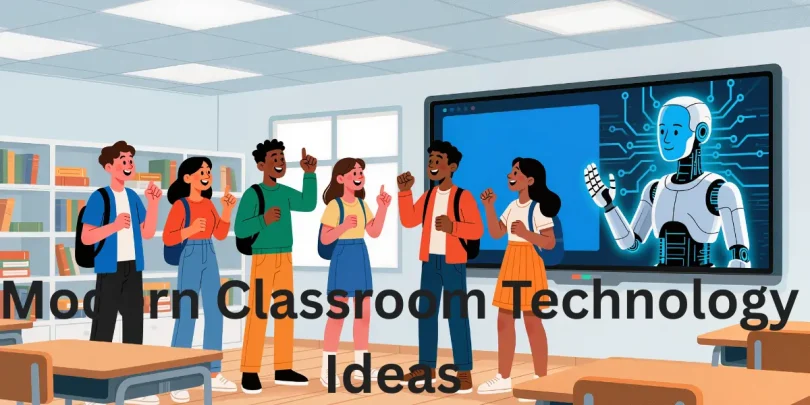

Let’s be honest, teaching and learning in today’s world can feel overwhelming at times. Between managing lesson plans, keeping students engaged, and staying on top of all the new tools and platforms, it can feel like you’re constantly trying to catch up. That’s why modern classroom technology ideas are a real game-changer. These aren’t just fancy gadgets or apps; they’re practical, effective ways to make lessons interactive, engaging, and meaningful for students. The reality is, classrooms today need to keep up with the digital world students live in, and technology can help bridge that gap, making learning feel less like a chore and more like an exciting experience that students actually want to participate in. Technology allows teachers to diversify their teaching approaches, reach students with different learning styles, and provide hands-on, real-world experiences that textbooks alone can’t offer.
Why Modern Classroom Technology Matters

Modern classroom technology matters because it transforms how students interact with content. Traditional lecture-based teaching can feel static and fail to keep students’ attention. When students are used to dynamic digital experiences outside school, they need lessons that can compete with the apps, videos, and games they engage with every day. Technology helps make lessons interactive and visually stimulating, which increases engagement and retention. Tools like interactive whiteboards, gamified apps, and online collaborative platforms turn passive learners into active participants. It’s not just about keeping students entertained—it’s about creating an environment where learning feels relevant, hands-on, and adaptable to each student’s pace and style. Moreover, incorporating technology in the classroom equips students with essential 21st-century skills, including digital literacy, problem-solving, communication, and collaboration. These are skills they will carry forward into higher education and their future careers, making technology not just a classroom perk but a crucial component of modern education.
Practical Modern Classroom Technology Ideas
When it comes to ideas, the possibilities are nearly endless. Interactive whiteboards have become a staple in many classrooms. They allow teachers to display content dynamically, annotate in real-time, and even integrate multimedia. Students can engage directly with the board, making lessons hands-on and memorable. Learning management systems like Google Classroom, Moodle, or Microsoft Teams streamline lesson planning, assignment distribution, grading, and communication with students. These platforms also allow students to access resources anytime, encouraging self-directed learning. Educational apps and games, such as Kahoot! or Quizlet, turn revision and practice into fun, competitive, and interactive sessions. Gamification helps students retain information more effectively because they are actively involved in the process rather than passively consuming content. Virtual and augmented reality tools are increasingly popular, offering immersive experiences that bring abstract concepts to life. Students can explore historical sites in 3D, conduct virtual science experiments, or visualize complex mathematical models, all without leaving the classroom. Tablets and laptops are another powerful tool, enabling students to research, collaborate, and create in real-time. They also make it easier to differentiate instruction, offering tailored content for students with varying abilities. Collaborative online tools like Padlet, Miro, and Microsoft Teams support group projects and brainstorming, both in class and remotely. These platforms foster teamwork, critical thinking, and creativity, helping students develop skills that extend far beyond the classroom.
Overcoming Common Concerns

While technology offers enormous potential, teachers and parents often have concerns. One common worry is screen time. Excessive use can lead to fatigue, so balance is essential. Technology should supplement traditional teaching methods rather than replace them entirely. Hands-on activities, discussions, and offline projects remain crucial for holistic learning. Another concern is technical challenges or lack of confidence in using new tools. The key here is starting small and taking it one step at a time. Introduce a single tool, learn it thoroughly, and provide guidance to students. Interestingly, students often adapt quickly and can even assist teachers in navigating new technology. Budget constraints are another common issue, but modern classroom technology doesn’t always have to be expensive. Free apps, shared devices, or low-cost gadgets can provide substantial benefits. Even small investments, like using a projector for interactive lessons or incorporating digital quizzes, can make a meaningful impact on engagement. Accessibility is another important consideration. It’s vital to choose tools that are inclusive, with features like captions, text-to-speech, adjustable fonts, and color options, ensuring all students can benefit from the technology.
Tips for Implementing Technology Successfully
The best approach to using technology effectively in the classroom is to be purposeful. Start with clear goals: what are you trying to achieve? Whether it’s improving engagement, fostering collaboration, or helping students understand complex concepts, having a clear objective ensures that technology is used meaningfully. Training is equally important. Both teachers and students should feel confident using new tools. Simple tutorials, step-by-step guidance, and a safe space for experimentation encourage exploration and reduce frustration. Integration is key—technology shouldn’t feel like an add-on. Blend it naturally into lessons, such as using tablets to demonstrate concepts or collaborative platforms for group projects. Gathering feedback from students is also crucial. Their insights on what works and what doesn’t help refine the approach, ensuring the tools truly enhance learning rather than just adding complexity.
You may also like to read post
Boost Your Career Fast with Short Online Courses with Certificate
Empower Your Mind with Free Online Learning Platforms
Master New Skills Fast with the Best Online Courses for Beginners
Discover Growth and Success Through the Best Online Courses 2026
Encouraging Creativity and Critical Thinking
Technology can be more than a tool for efficiency; it can be a springboard for creativity and critical thinking. Encourage students to use digital tools to create projects, analyze data, solve problems, and experiment with ideas. Mistakes and trial-and-error are part of learning, and technology provides a safe space for students to explore without fear of permanent failure. By combining creativity with digital tools, students develop problem-solving skills, adaptability, and confidence in their abilities.
The Future of the Classroom
The classroom of the future is adaptable, inclusive, and highly interactive. AI-powered platforms, immersive VR experiences, and collaborative online tools will continue to evolve, offering personalized learning pathways and instant feedback. Yet, the heart of teaching remains the same: connection, curiosity, and creativity. Modern classroom technology ideas provide tools and opportunities, but the teacher’s guidance and support make the real difference. As technology becomes more integrated into education, classrooms will shift toward environments that prioritize collaboration, exploration, and critical thinking, preparing students for the challenges and opportunities of the modern world.
Conclusion and Takeaway
Here’s the deal: implementing modern classroom technology ideas doesn’t have to feel intimidating. Start small, focus on tools that truly enhance learning, and prioritize student needs. Technology is a support, not a replacement, and even incremental changes can make a big difference in engagement and understanding. Keep experimenting, celebrate progress, and maintain an open, flexible mindset. Remember, the ultimate goal is to create an interactive, inclusive, and inspiring learning environment where students feel excited and empowered to learn.
Actionable Checklist:
- Identify one technology tool to enhance engagement
- Set clear learning objectives for its use
- Provide tutorials and guidance for students
- Blend technology with traditional teaching methods
- Gather student feedback to refine implementation
FAQs
What are modern classroom technology ideas?
Modern classroom technology ideas are innovative tools and methods used to enhance learning, including smart boards, interactive apps, VR, AR, and collaborative online platforms.
How can technology improve student engagement?
Technology makes lessons more interactive and visually appealing, allowing students to participate actively, collaborate in real time, and explore concepts in a hands-on way.
What are some affordable modern classroom technology ideas?
Affordable options include digital quizzes, educational apps, projectors, tablets, and collaborative online platforms that boost learning without heavy investment.
How can teachers implement modern classroom technology ideas effectively?
Teachers can start small, integrating one tool at a time, offering training for students, and combining digital tools with traditional teaching methods for maximum impact.
Are modern classroom technology ideas suitable for all grade levels?
Yes, technology can be adapted to different ages and subjects, offering age-appropriate tools that enhance understanding and engagement across all grade levels.